
Hospice Music Therapy in Chicago
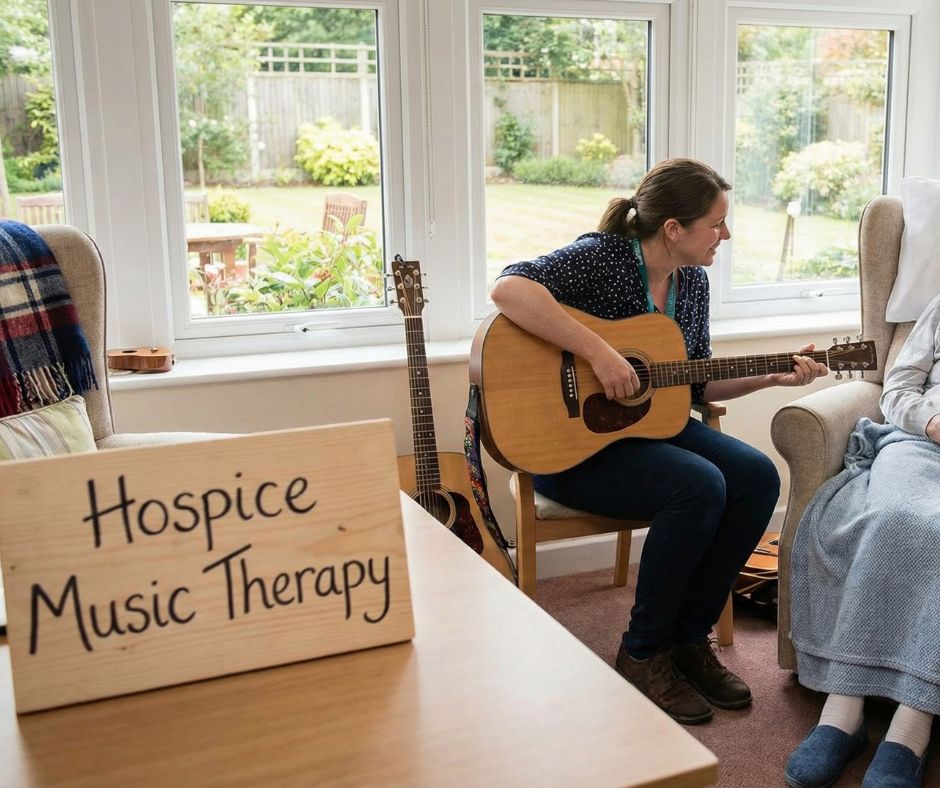
Music therapy brings comfort and peace to hospice patients and their families in Chicago. Our trained music therapists use songs, instruments, and rhythms to help manage pain, reduce stress, and create meaningful moments during end-of-life care.
What Is Hospice Music Therapy?
Hospice music therapy is a clinical treatment that uses music to meet the physical, emotional, and spiritual needs of patients receiving end-of-life care. A certified music therapist works one-on-one with patients to create personalized sessions based on their musical preferences and health goals.
Unlike simply playing background music, music therapy is an active treatment. The therapist designs each session to address specific symptoms or concerns the patient is experiencing.
Benefits of Music Therapy for Hospice Patients
Research shows that music therapy offers real health benefits for people in hospice care. Here are the main ways it helps:
- Pain Management: Music can reduce the need for pain medication by triggering the body’s natural pain-relieving chemicals
- Anxiety Reduction: Calming music lowers heart rate and blood pressure, helping patients feel less anxious
- Better Sleep: Gentle music before bedtime helps patients rest more peacefully
- Emotional Expression: Patients can express feelings that are hard to put into words through music
- Memory Connection: Familiar songs trigger memories and help patients connect with loved ones
- Spiritual Comfort: Religious or meaningful music provides spiritual support
What Happens During a Music Therapy Session?
A typical music therapy session in Chicago hospice care lasts 30 to 60 minutes. Here’s what you can expect:
| Session Component | Description |
|---|---|
| Assessment | The therapist talks with the patient about favorite songs and musical memories |
| Active Music Making | Patient may play simple instruments, sing, or hum along |
| Music Listening | Therapist plays live or recorded music chosen for the patient |
| Relaxation | Guided breathing exercises paired with calming music |
| Legacy Work | Creating recordings or songs as gifts for family members |
Types of Music Therapy Techniques
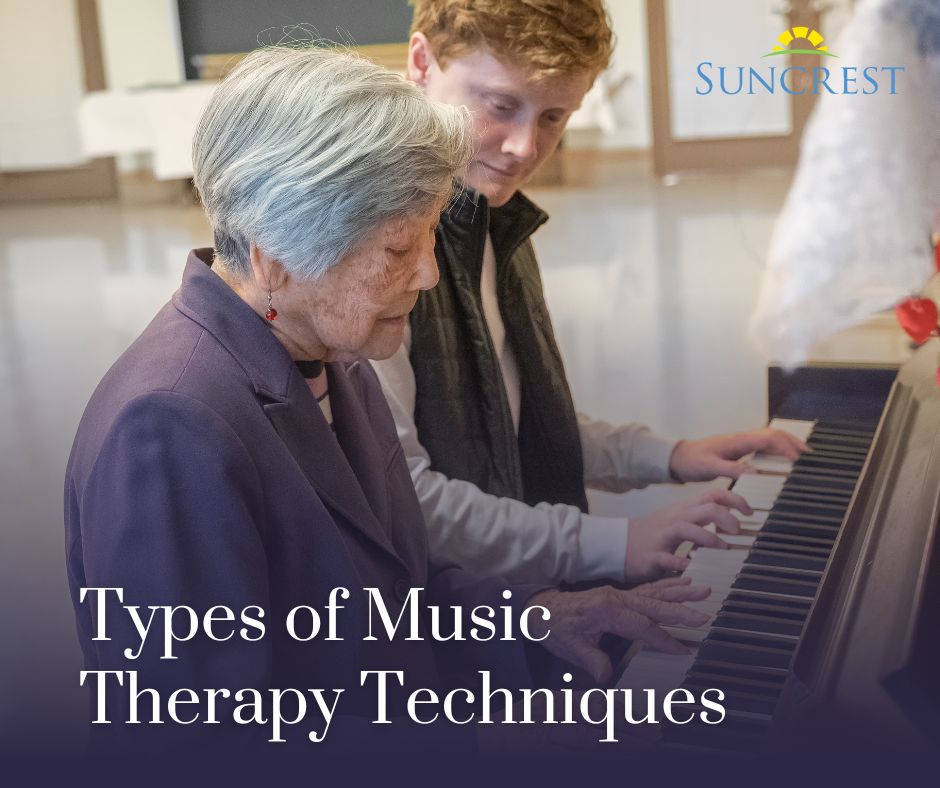 Our music therapists in Chicago use different approaches based on each patient’s needs:
1. Receptive Music Therapy
The patient listens while the therapist plays live music. This works well for patients who are too tired or ill to actively participate.
2. Active Music Therapy
Patients play instruments, sing, or move to music. Even simple actions like shaking a maraca or tapping a drum can be therapeutic.
3. Song Writing and Reminiscence
Patients create new lyrics to familiar tunes or share stories prompted by meaningful songs from their past.
4. Music-Assisted Relaxation
The therapist combines breathing exercises with live music to help manage pain and anxiety.
Who Provides Music Therapy in Chicago Hospice Care?
Our music therapists are board-certified professionals who have completed specialized training. They hold a degree in music therapy and passed a national certification exam. They understand both music and healthcare, allowing them to work safely with hospice patients who have complex medical needs.
Music therapists work alongside nurses, doctors, social workers, and chaplains as part of your complete hospice care team.
Is Music Therapy Covered by Insurance?
Music therapy is included as part of hospice care covered by Medicare, Medicaid, and most private insurance plans. Families do not pay extra for this service. It’s one of the many supportive therapies available to make patients comfortable during end-of-life care.
-
I am a social worker at a long term care facility and always recommend Suncrest to families as they give great care to our residents! Our families and residents are... read more

 Cheyenne
The communication and follow up was exceptional. Staff is genuinely caring, supportive, and professional.
John
When navigating uncertainty, it’s hard to choose a provider that will ensure that your loved one is cared for with dignity and respect. Suncrest was elected for services by me... read more
Mateo
-
I had 3 different hospice and Suncrest was the best
Susanna
Kind and compassionate people with great follow up. They helped my wife pass on with dignity.
Dan
Kind and compassionate people with great follow up. They helped my wife pass on with dignity.
Dan
-
I have nothing but good things to say about Suncrest Hospice. I am a Social Worker and have worked with them for many years. My families are very happy with... read more
Heather
Having both a personal and professional experience with hospice companies, I feel extremely confident in saying that Suncrest is the best hospice company that I know. The hospice representative, Logan... read more
Calli
Suncrest Hospice has always delivered compassionate and professional service. From beginning of care to the transition of life, they keep the staff and families informed. Suncrest offers a CNA five days... read more
Charmatte


Music Therapy for Family Members
Music therapy isn’t just for patients. Family members can join sessions to:
- Share in meaningful musical moments with their loved one
- Learn simple techniques to use music for comfort between therapy visits
- Process grief and emotions through music
- Create lasting memories through recorded songs
Many families find that singing together or listening to favorite songs helps them feel connected even when conversation becomes difficult. Hospice can be difficult on family members, and finding a way to lift the load can be extremely beneficial. Music therapy can help, but you can also consider our hospice respite care in Chicago for a multi-day break.
Common Questions About Hospice Music Therapy
Do I need to have musical experience?
No musical background is needed. Music therapy works for everyone, regardless of their past experience with music.
What if I don’t like music?
The therapist will work with you to find sounds or rhythms that feel comfortable. This might include nature sounds, spoken word, or simple rhythmic breathing.
Can I request specific songs?
Yes. The therapist wants to know about your favorite music, important songs from your life, and any music that holds special meaning.
How often will the music therapist visit?
This depends on your care plan. Most patients receive visits once or twice per week, but frequency can be adjusted based on needs.
 Getting Started with Music Therapy in Chicago
 Getting Started with Music Therapy in Chicago
If you or a loved one is in need of hospice care in Chicago and would like to have music therapy in the care plan, contact us, and we can do an initial assessment.
During the first visit, the therapist will:
- Learn about musical preferences and essential songs
- Discuss goals for music therapy
- Assess the patient’s ability to participate
- Create a personalized treatment plan
- Schedule regular sessions
Why Choose Our Chicago Hospice Music Therapy Services?
Our hospice program serves the entire Chicago area with compassionate, professional music therapy. We understand the unique needs of patients and families during end-of-life care. Our certified music therapists bring years of experience working in hospice settings and are skilled at creating peaceful, meaningful experiences even in challenging circumstances.
Music therapy is just one part of our complete hospice care services. We also offer nursing care, social work support, chaplain services, and other therapies to ensure comfort and dignity for every patient we serve.
Contact us today to learn more about adding music therapy to your hospice care plan in Chicago.