
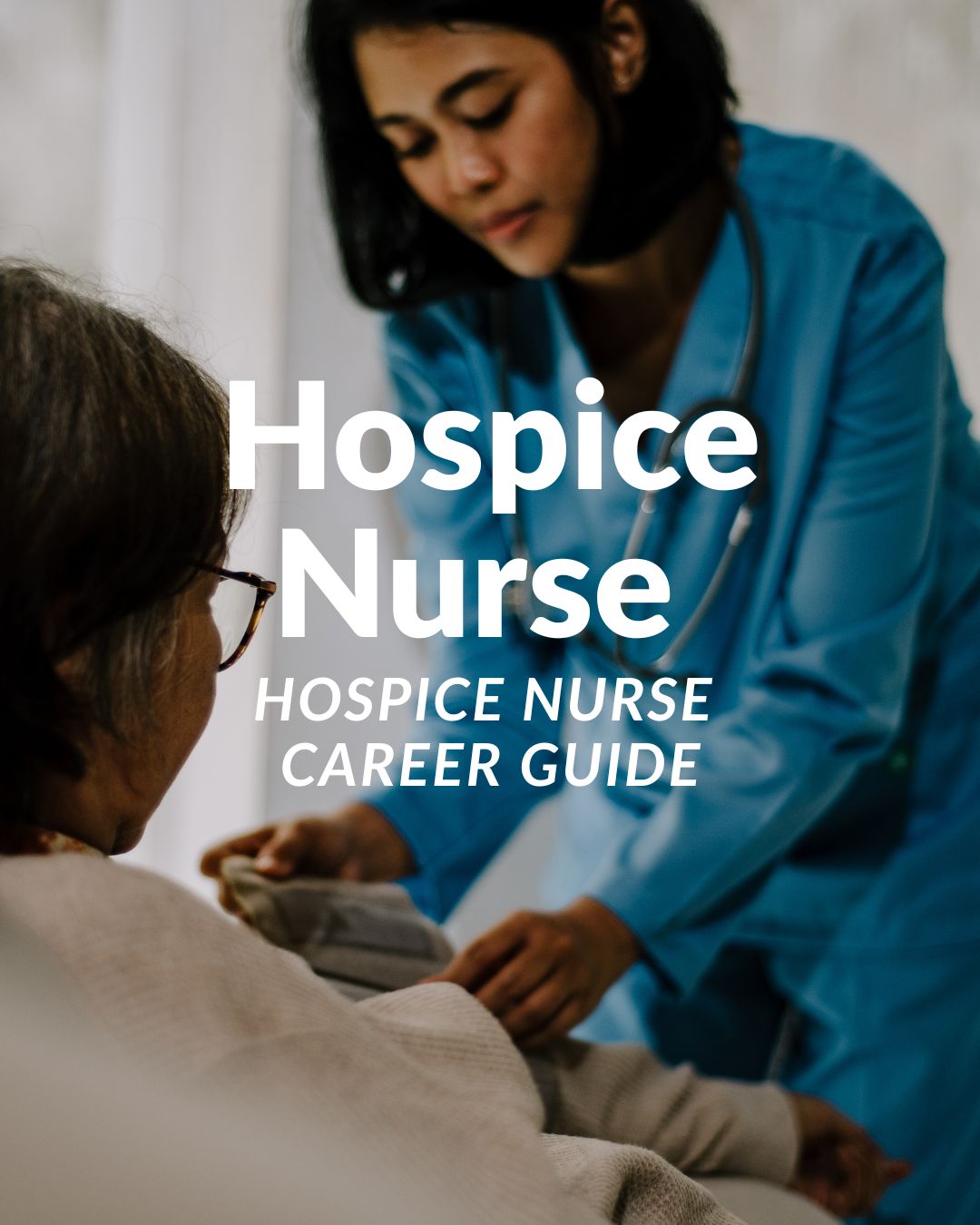
If you’re considering a nursing career that combines clinical expertise with profound human connection, becoming a hospice nurse might be your calling. Hospice care nurses play a vital role in helping patients and families navigate one of life’s most challenging transitions with dignity, comfort, and compassion.
This comprehensive guide covers everything prospective nurses need to know about pursuing a career in hospice care, from education requirements and daily responsibilities to salary expectations and the emotional realities of this rewarding specialty.
What is a Hospice Nurse?
 A hospice nurse is a specialized registered nurse (RN) or licensed practical nurse (LPN) who provides medical care, emotional support, and comfort to patients in the final stages of terminal illness. Unlike nurses in acute care settings who focus on curing disease, hospice care nurses concentrate on enhancing quality of life and managing symptoms when curative treatment is no longer the goal.
Hospice nurses work as part of an interdisciplinary team that includes physicians, social workers, chaplains, home health aides, and volunteers. Their primary mission is to ensure patients spend their remaining time as comfortably and meaningfully as possible, surrounded by loved ones and free from unnecessary pain or distress.
These specialized nurses typically care for patients with a life expectancy of 6 months or less, though how long patients remain in hospice care can vary significantly based on their diagnosis and individual circumstances. The setting varies widely—hospice nurses may work in patients’ homes, assisted living facilities, nursing homes, dedicated hospice centers, or hospital-based palliative care units.
What distinguishes hospice nurses from other nursing specialties is their holistic approach. They address not just physical symptoms but also emotional, spiritual, and psychosocial needs. They become trusted guides for families facing loss, providing education about the dying process and supporting loved ones through grief.
What Does a Hospice Nurse Do?
 The role of a hospice care nurse is multifaceted and deeply personal. While specific duties vary by work setting and patient needs, here are the core responsibilities:
Medical Care and Symptom Management
Hospice nurses are expert clinicians who manage complex symptoms associated with terminal illness. They administer medications for pain, nausea, anxiety, and breathing difficulties. They monitor vital signs, assess changes in patient condition, and adjust care plans accordingly. Wound care, IV therapy, catheter management, and other technical skills are frequently required.
Pain management is perhaps the most critical clinical responsibility. Hospice nurses work closely with physicians to develop and adjust medication regimens that keep patients comfortable without oversedating them, allowing them to remain alert and present with family when possible.
Patient Assessment and Care Planning
Hospice nurses conduct comprehensive initial assessments when patients enter hospice care and perform regular follow-up evaluations. They identify physical, emotional, and spiritual needs, then collaborate with the interdisciplinary team to create personalized care plans. These plans are living documents that evolve as the patient’s condition changes.
Family Education and Support
Perhaps no aspect of hospice nursing is more important than supporting families. Hospice nurses teach family members how to provide basic care, what to expect as death approaches, and how to recognize signs that death is near, including changes in breathing patterns. They answer countless questions, often the same ones multiple times, with patience and compassion.
They also help families navigate difficult decisions about treatment options, funeral planning, and grief support services. Many hospice nurses describe themselves as much as family counselors as medical professionals.
Emotional and Spiritual Care Coordination
While chaplains and social workers provide specialized support, hospice nurses are often the team members who spend the most time at the bedside. They listen to life stories, hold hands during difficult moments, and create space for patients to express fears, regrets, and hopes. Part of their role includes helping families understand what to say and what not to say to someone in hospice, guiding them toward meaningful conversations during the precious remaining time. They coordinate with chaplains when spiritual needs arise and connect families with grief counselors and support groups.
Documentation and Communication
Like all nurses, hospice nurses maintain detailed medical records, document interventions and patient responses, and communicate regularly with physicians and team members. They’re available on-call to address urgent situations and provide guidance when families are uncertain or scared.
Advocacy
Hospice nurses advocate fiercely for their patients’ wishes. Whether that means prioritizing comfort measures over invasive procedures or helping families understand a patient’s advance directives, hospice nurses ensure the patient’s voice remains central to all decisions.
How Many Years Does it Take to Be a Hospice Nurse?
The timeline to become a hospice nurse depends on your starting point and chosen educational path. Here’s what to expect:
 Educational Pathways
 Educational Pathways
Associate Degree in Nursing (ADN): This is the fastest route to becoming a registered nurse, typically taking 2-3 years to complete. ADN programs are offered at community colleges and prepare you to sit for the NCLEX-RN licensing exam. Many hospice organizations hire ADN-prepared nurses, though some prefer or require a bachelor’s degree.
Bachelor of Science in Nursing (BSN): A BSN program takes 4 years and provides more comprehensive education in nursing theory, research, and leadership. Increasingly, healthcare organizations prefer BSN-prepared nurses. Some hospice agencies, particularly those affiliated with hospitals or large health systems, may require a BSN for RN positions.
Licensed Practical Nurse (LPN/LVN): LPN programs take approximately 12-18 months and prepare you to provide basic nursing care under RN supervision. While LPNs work in hospice settings, their scope of practice is more limited, and they typically earn less than RNs.
Licensing Requirements
After completing your nursing program, you must pass the NCLEX examination (NCLEX-RN for registered nurses or NCLEX-PN for practical nurses) to obtain your nursing license. Most graduates take this exam within a few months of graduation. You must also meet your state’s specific licensing requirements.
Gaining Experience
Most hospice employers prefer nurses with at least 1-2 years of clinical experience before entering hospice care. Common feeder specialties include medical-surgical nursing, oncology, critical care, and home health. This experience builds clinical assessment skills and confidence in managing complex medical situations—both essential for hospice work.
Hospice Certification
While not always required, obtaining the Certified Hospice and Palliative Nurse (CHPN) credential demonstrates expertise and commitment to the field. Offered by the Hospice and Palliative Credentialing Center, this certification requires:
- Current RN license
- 2 years of nursing experience (500 hours minimum in hospice/palliative care)
- Passing a comprehensive exam
Many hospice nurses pursue certification after working in the field for 2-3 years.
Total Timeline
Minimum pathway: ADN program (2-3 years) + licensing (few months) + clinical experience (1-2 years) = approximately 3.5-5 years from starting nursing school to working in hospice.
Traditional pathway: BSN program (4 years) + licensing + clinical experience (1-2 years) = approximately 5-6 years.
Accelerated option: If you already have a bachelor’s degree in another field, accelerated BSN programs condense nursing education into 12-18 months, potentially shortening your timeline significantly.
Is Hospice Nursing Hard?
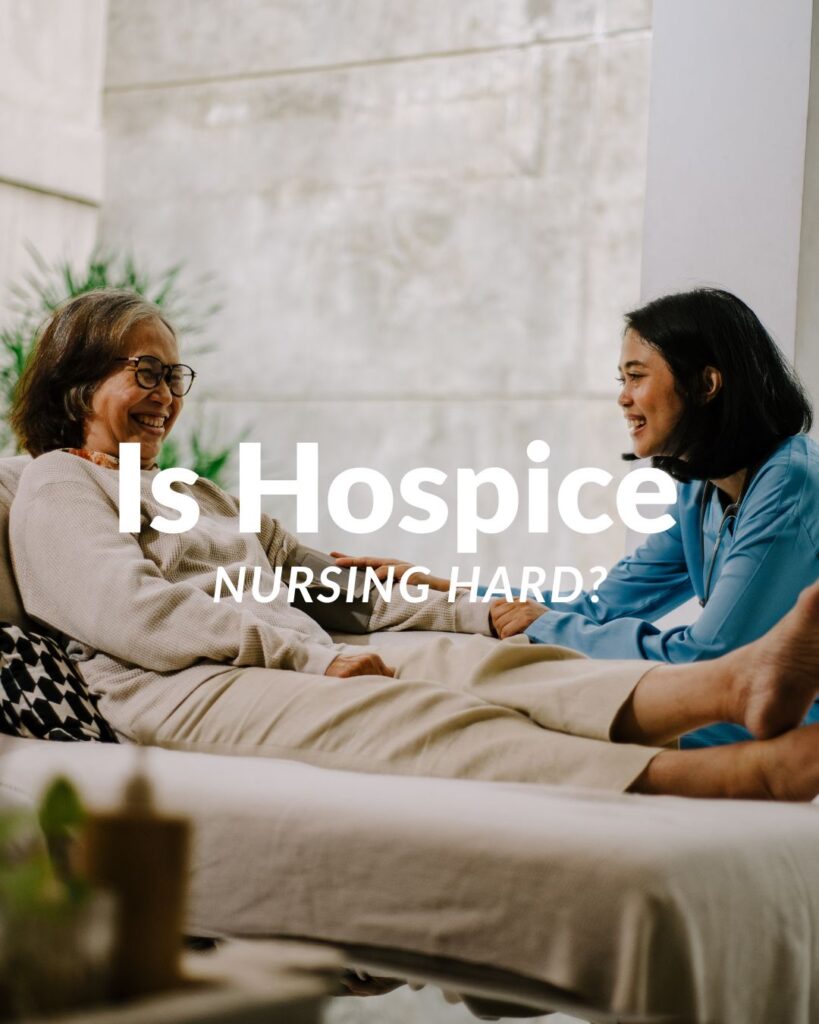 The honest answer is yes—hospice nursing is emotionally and intellectually demanding work. But it’s also profoundly meaningful, and many hospice nurses describe it as the most rewarding specialty in nursing. Here’s what makes it challenging and what makes it worthwhile:
The Challenges
Emotional Weight: Hospice nurses witness death regularly, often caring for patients over weeks or months and developing deep relationships with families. Each loss can feel personal. The cumulative grief—known as compassionate fatigue—is real, and many hospice nurses report needing strong self-care practices and support systems.
Difficult Conversations: You’ll have countless conversations about death, including delivering difficult news, discussing advance directives, and helping families accept that their loved one is dying. These conversations require skill, emotional intelligence, and resilience.
Complex Family Dynamics: Families in crisis don’t always function well. You may encounter conflict between family members, unrealistic expectations about treatment, or situations where families aren’t ready to let go. Navigating these dynamics while advocating for your patient requires diplomacy and strength.
Physical Demands: Home hospice nurses spend much of their day driving between patient visits, often carrying medical supplies. You may work in homes that are cluttered, lack air conditioning or heat, or have challenging access. The physical aspects of patient care—repositioning, wound care, bathing—can be demanding.
Unpredictability: Death doesn’t follow a schedule. You might receive calls at night or on weekends. A patient who seemed stable yesterday may be actively dying today. This unpredictability requires flexibility and the ability to manage stress.
The Rewards
Making a Real Difference: Hospice nurses consistently report that their work feels deeply meaningful. You’re providing comfort at life’s most vulnerable moment, reducing suffering, and helping people die with dignity. Few nursing specialties offer such direct impact on quality of life.
Building Meaningful Relationships: The pace of hospice care allows time to truly know your patients and families. You’ll hear life stories, share laughter even in difficult circumstances, and form bonds that, while temporary, are profound.
Holistic Nursing: Hospice nursing embraces the full scope of nursing practice—not just technical skills but also emotional support, patient education, and advocacy. Many nurses find this holistic approach more satisfying than task-focused acute care.
Reasonable Work-Life Balance: Compared to hospital nursing with rotating shifts and mandatory overtime, many hospice positions offer more predictable schedules. While on-call responsibilities exist, many hospice nurses work Monday through Friday with weekends off.
Professional Autonomy: Hospice nurses often work independently, making clinical judgments and managing patient care with significant autonomy. This independence appeals to experienced nurses who want to use their full skill set.
Who Thrives in Hospice Nursing?
The best hospice nurses share certain qualities: comfort with mortality, excellent communication skills, emotional resilience, clinical confidence, patience, and genuine compassion. They’re nurses who find meaning in being present during suffering, who can sit with uncertainty, and who view death not as failure but as a natural part of life.
If you’re drawn to relationship-based care, can manage emotional boundaries while remaining empathetic, and want work that feels genuinely purposeful, hospice nursing might be your ideal specialty.
How Much Do Hospice Nurses Get Paid?
 Compensation for hospice care nurses varies based on experience, education, geographic location, and work setting, but hospice nursing generally offers competitive salaries within the nursing field.
National Average Salary
According to recent data, registered nurses working in hospice care earn an average annual salary of approximately $75,000 to $85,000 nationally. However, this figure varies considerably by region and experience level.
Salary by Experience Level
Entry-level hospice RNs (those with a minimum 1-2 years of nursing experience): $60,000-$70,000 annually
Mid-career hospice RNs (5-10 years of nursing experience): $75,000-$90,000 annually
Experienced hospice RNs (10+ years of experience, possibly with CHPN certification): $85,000-$105,000+ annually
Hospice nurse managers and directors: $90,000-$120,000+ annually, depending on organization size and scope of responsibility
Geographic Variation
Location significantly impacts salary. Hospice nurses in high-cost-of-living areas and states with higher nursing wages generally earn more:
Highest-paying regions: California, Massachusetts, Oregon, Alaska, and Hawaii often see hospice RN salaries exceeding $95,000-$110,000 annually.
Moderate-paying regions: Texas, Florida, Georgia, and much of the Midwest typically offer $70,000-$85,000 annually.
Lower-paying regions: Rural areas and states with lower costs of living may offer $60,000-$75,000 annually, though purchasing power may be comparable.
LPN/LVN Salaries
Licensed practical nurses working in hospice typically earn 30-40% less than RNs, with average salaries ranging from $45,000 to $55,000 annually, varying by region and experience.
Additional Compensation Factors
Certification bonus: Many hospice organizations offer pay differentials ($1-$3 per hour) for nurses with CHPN certification.
On-call pay: Hospice nurses typically receive additional hourly compensation when on call, plus higher rates for hours actually worked during on-call shifts.
Mileage reimbursement: Home hospice nurses usually receive reimbursement for travel between patient visits, either as a per-mile rate or vehicle stipend.
Benefits packages: Most hospice organizations offer comprehensive benefits including health insurance, retirement contributions (often with employer matching), paid time off, continuing education funding, and sometimes tuition reimbursement for advancing your degree.
Sign-on bonuses: In competitive markets or areas with nursing shortages, hospice organizations may offer sign-on bonuses ranging from $3,000 to $10,000 for experienced RNs.
Comparison to Other Nursing Specialties
Hospice nursing salaries are generally comparable to home health nursing and slightly lower than acute care specialties like emergency or critical care nursing, which often include shift differentials for nights and weekends. However, many hospice nurses report that the improved work-life balance and meaningful nature of the work more than compensate for any modest salary difference.
Skills and Qualities of Successful Hospice Nurses
Beyond clinical competence, thriving in hospice nursing requires a specific combination of soft skills and personal qualities:
Emotional intelligence and empathy: The ability to read emotional cues, respond with compassion, and provide comfort without becoming emotionally overwhelmed is essential.
Communication excellence: You must explain complex medical information in understandable terms, facilitate difficult family conversations, and listen deeply to unspoken needs.
Cultural sensitivity: Hospice nurses care for patients from diverse backgrounds with varying beliefs about death, dying, and medical care. Respect for these differences is non-negotiable.
Clinical assessment skills: Working independently requires confidence in your assessment abilities. You must recognize subtle changes in condition and know when to escalate concerns.
Patience and presence: Hospice care cannot be rushed. The ability to be fully present, even when families need to tell the same story multiple times or ask repeated questions, defines excellent hospice nursing.
Healthy boundaries: While empathy is essential, successful hospice nurses maintain boundaries that allow them to care deeply without being consumed by grief. This balance protects against burnout.
Flexibility and problem-solving: Every patient situation is unique. You must adapt care plans, think creatively about symptom management, and find solutions in less-than-ideal circumstances.
How to Become a Hospice Nurse: Step-by-Step
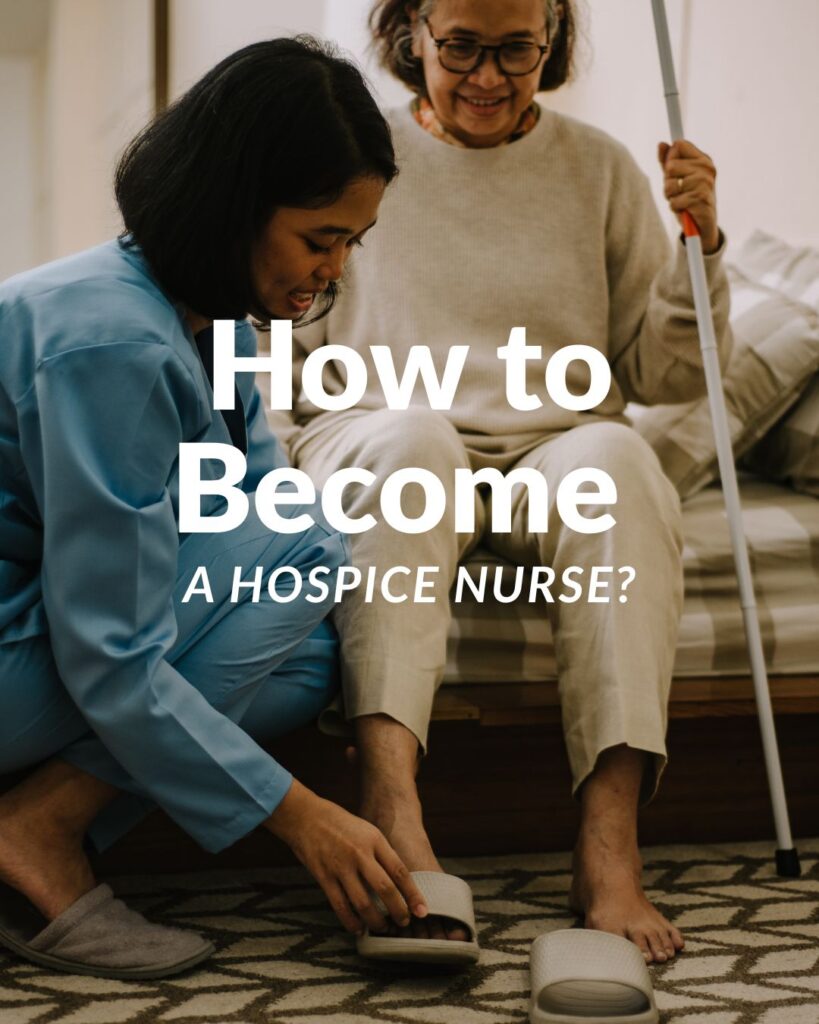 Ready to pursue hospice nursing? Here’s your roadmap:
Step 1: Complete nursing education. Enroll in an accredited ADN or BSN program. If you already have a bachelor’s degree, consider an accelerated BSN program.
Step 2: Pass the NCLEX and obtain licensure. After graduation, register for and pass the NCLEX examination, then apply for your state nursing license.
Step 3: Gain clinical experience. Work in a related specialty such as medical-surgical, oncology, or home health for 1-2 years to build assessment skills and clinical confidence.
Step 4: Apply for hospice positions. Look for openings with hospice agencies, hospital-based palliative care programs, or hospice residences. Many organizations offer comprehensive orientation programs for nurses new to hospice. If you’re interested in joining a compassionate team, explore hospice nursing opportunities with organizations dedicated to quality end-of-life care.
Step 5: Complete hospice-specific training. Most hospice employers provide extensive onboarding, including training on the philosophy of hospice care, pain and symptom management, family support, and documentation requirements.
Step 6: Consider certification. After gaining experience in hospice, pursue CHPN certification to demonstrate your expertise and commitment to the specialty.
Step 7: Commit to ongoing learning. Stay current with best practices through continuing education, professional conferences, and peer support groups.
Frequently Asked Questions
Do you need special certification to be a hospice nurse?
While CHPN certification is valuable and preferred by many employers, it’s not required to work in hospice. Most hospice organizations hire RNs or LPNs with current licenses and provide on-the-job training. Certification becomes relevant after you’ve gained experience in the field.
Can new graduate nurses work in hospice?
Most hospice employers prefer nurses with at least 1-2 years of clinical experience. However, some organizations offer nurse residency programs specifically designed to train new graduates in hospice care. These programs provide extensive mentorship and gradual assumption of responsibilities.
What is the difference between hospice and palliative care nursing?
Hospice care is specifically for patients with terminal illnesses who have chosen to forgo curative treatment and have a prognosis of six months or less. Palliative care can be provided at any stage of serious illness, even while patients pursue curative treatment. The skills overlap significantly, and many nurses work in both areas.
Is hospice nursing depressing?
While hospice nursing involves loss, most hospice nurses find the work uplifting rather than depressing. You’re reducing suffering, honoring life, and supporting families through one of their most difficult experiences. Many nurses report that hospice nursing has given them perspective, gratitude, and a profound sense of purpose.
What is the typical caseload for a hospice nurse?
Home hospice nurses typically manage caseloads of 10-15 patients, visiting each patient at least once every two weeks (more frequently for patients with complex needs or those actively dying). Inpatient hospice nurses typically care for 4-6 patients per shift.
Do hospice nurses work weekends and holidays?
Most hospice positions include some weekend and holiday responsibilities, often on a rotating basis. Many organizations offer flexible schedules, allowing nurses to work four 10-hour days or create schedules that accommodate personal needs.
How do hospice nurses cope with repeated loss?
Successful hospice nurses develop self-care practices including peer support groups, supervision, mindfulness practices, hobbies outside of work, and strong personal support systems. Many hospice organizations provide regular debriefing sessions and access to counseling services.
Is Hospice Nursing Right for You?
Becoming a hospice nurse means choosing one of nursing’s most meaningful specialties. You’ll use your clinical skills to provide comfort, your heart to support grieving families, and your presence to ensure that every patient experiences dignity and compassion at life’s end.
This career path isn’t for everyone, and that’s okay. Hospice nursing requires emotional resilience, comfort with mortality, and the ability to find meaning in loss. But suppose you’re drawn to work that matters deeply, where relationships are central and every day offers the opportunity to make someone’s final chapter better. In that case, hospice nursing might be your calling.
The need for skilled, compassionate hospice nurses continues to grow as our population ages. By choosing this specialty, you’re not just building a career—you’re answering a profound call to serve humanity during one of its most vulnerable transitions.
If hospice nursing resonates with you, take the first step. Start or continue your nursing education, seek out mentors in hospice care, and volunteer with hospice organizations to gain exposure. Explore current hospice nursing career opportunities to learn more about joining a team dedicated to compassionate end-of-life care. Your future patients and their families are waiting for nurses like you—professionals who see death not as failure, but as a sacred responsibility to provide comfort, dignity, and peace.
{
“@context”: “https://schema.org”,
“@graph”: [
{
“@type”: “Article”,
“@id”: “https://www.suncrestcare.com/hospice-nurse-guide/#article”,
“headline”: “Hospice Nurse Career Guide: Everything You Need to Know in 2025”,
“description”: “Complete guide for prospective nurses considering hospice care. Learn about education requirements, salary expectations, daily responsibilities, and what it takes to become a hospice nurse.”,
“image”: “https://www.suncrestcare.com/images/hospice-nurse-guide.jpg”,
“author”: {
“@type”: “Organization”,
“name”: “Suncrest Care”,
“url”: “https://www.suncrestcare.com”
},
“publisher”: {
“@type”: “Organization”,
“name”: “Suncrest Care”,
“logo”: {
“@type”: “ImageObject”,
“url”: “https://www.suncrestcare.com/logo.png”
}
},
“datePublished”: “2025-10-12”,
“dateModified”: “2025-10-12”,
“mainEntityOfPage”: {
“@type”: “WebPage”,
“@id”: “https://www.suncrestcare.com/hospice-nurse-guide/”
},
“articleSection”: “Healthcare Careers”,
“keywords”: “hospice nurse, hospice care nurse, hospice nursing career, hospice nurse salary, hospice nurse education, become a hospice nurse”,
“about”: [
{
“@type”: “Thing”,
“name”: “Hospice Nursing”
},
{
“@type”: “Thing”,
“name”: “Nursing Careers”
},
{
“@type”: “Thing”,
“name”: “End-of-Life Care”
}
]
},
{
“@type”: “FAQPage”,
“@id”: “https://www.suncrestcare.com/hospice-nurse-guide/#faq”,
“mainEntity”: [
{
“@type”: “Question”,
“name”: “Do you need special certification to be a hospice nurse?”,
“acceptedAnswer”: {
“@type”: “Answer”,
“text”: “While CHPN certification is valuable and preferred by many employers, it’s not required to work in hospice. Most hospice organizations hire RNs or LPNs with current licenses and provide on-the-job training. Certification becomes relevant after you’ve gained experience in the field.”
}
},
{
“@type”: “Question”,
“name”: “Can new graduate nurses work in hospice?”,
“acceptedAnswer”: {
“@type”: “Answer”,
“text”: “Most hospice employers prefer nurses with at least 1-2 years of clinical experience. However, some organizations offer nurse residency programs specifically designed to train new graduates in hospice care. These programs provide extensive mentorship and gradual assumption of responsibilities.”
}
},
{
“@type”: “Question”,
“name”: “What is the difference between hospice and palliative care nursing?”,
“acceptedAnswer”: {
“@type”: “Answer”,
“text”: “Hospice care is specifically for patients with terminal illnesses who have chosen to forgo curative treatment and have a prognosis of six months or less. Palliative care can be provided at any stage of serious illness, even while patients pursue curative treatment. The skills overlap significantly, and many nurses work in both areas.”
}
},
{
“@type”: “Question”,
“name”: “Is hospice nursing depressing?”,
“acceptedAnswer”: {
“@type”: “Answer”,
“text”: “While hospice nursing involves loss, most hospice nurses find the work uplifting rather than depressing. You’re reducing suffering, honoring life, and supporting families through one of their most difficult experiences. Many nurses report that hospice nursing has given them perspective, gratitude, and a profound sense of purpose.”
}
},
{
“@type”: “Question”,
“name”: “What is the typical caseload for a hospice nurse?”,
“acceptedAnswer”: {
“@type”: “Answer”,
“text”: “Home hospice nurses typically manage caseloads of 10-15 patients, visiting each patient at least once every two weeks (more frequently for patients with complex needs or those actively dying). Inpatient hospice nurses typically care for 4-6 patients per shift.”
}
},
{
“@type”: “Question”,
“name”: “How much do hospice nurses get paid?”,
“acceptedAnswer”: {
“@type”: “Answer”,
“text”: “Hospice nurses earn an average annual salary of approximately $75,000 to $85,000 nationally. Entry-level hospice RNs earn $60,000-$70,000 annually, while experienced hospice RNs with 10+ years can earn $85,000-$105,000 or more. Salaries vary significantly by geographic location and experience level.”
}
},
{
“@type”: “Question”,
“name”: “Do hospice nurses work weekends and holidays?”,
“acceptedAnswer”: {
“@type”: “Answer”,
“text”: “Most hospice positions include some weekend and holiday responsibilities, often on a rotating basis. Many organizations offer flexible schedules, allowing nurses to work four 10-hour days or create schedules that accommodate personal needs.”
}
}
]
},
{
“@type”: “HowTo”,
“@id”: “https://www.suncrestcare.com/hospice-nurse-guide/#howto”,
“name”: “How to Become a Hospice Nurse”,
“description”: “Step-by-step guide to becoming a hospice nurse, from education to certification”,
“totalTime”: “P5Y”,
“estimatedCost”: {
“@type”: “MonetaryAmount”,
“currency”: “USD”,
“value”: “40000”
},
“step”: [
{
“@type”: “HowToStep”,
“position”: 1,
“name”: “Complete nursing education”,
“text”: “Enroll in an accredited ADN or BSN program. If you already have a bachelor’s degree, consider an accelerated BSN program.”,
“url”: “https://www.suncrestcare.com/hospice-nurse-guide/#step1”
},
{
“@type”: “HowToStep”,
“position”: 2,
“name”: “Pass the NCLEX and obtain licensure”,
“text”: “After graduation, register for and pass the NCLEX examination, then apply for your state nursing license.”,
“url”: “https://www.suncrestcare.com/hospice-nurse-guide/#step2”
},
{
“@type”: “HowToStep”,
“position”: 3,
“name”: “Gain clinical experience”,
“text”: “Work in a related specialty such as medical-surgical, oncology, or home health for 1-2 years to build assessment skills and clinical confidence.”,
“url”: “https://www.suncrestcare.com/hospice-nurse-guide/#step3”
},
{
“@type”: “HowToStep”,
“position”: 4,
“name”: “Apply for hospice positions”,
“text”: “Look for openings with hospice agencies, hospital-based palliative care programs, or hospice residences. Many organizations offer comprehensive orientation programs for nurses new to hospice.”,
“url”: “https://www.suncrestcare.com/hospice-nurse-guide/#step4”
},
{
“@type”: “HowToStep”,
“position”: 5,
“name”: “Complete hospice-specific training”,
“text”: “Most hospice employers provide extensive onboarding, including training on the philosophy of hospice care, pain and symptom management, family support, and documentation requirements.”,
“url”: “https://www.suncrestcare.com/hospice-nurse-guide/#step5”
},
{
“@type”: “HowToStep”,
“position”: 6,
“name”: “Consider certification”,
“text”: “After gaining experience in hospice, pursue CHPN certification to demonstrate your expertise and commitment to the specialty.”,
“url”: “https://www.suncrestcare.com/hospice-nurse-guide/#step6”
},
{
“@type”: “HowToStep”,
“position”: 7,
“name”: “Commit to ongoing learning”,
“text”: “Stay current with best practices through continuing education, professional conferences, and peer support groups.”,
“url”: “https://www.suncrestcare.com/hospice-nurse-guide/#step7”
}
]
},
{
“@type”: “BreadcrumbList”,
“@id”: “https://www.suncrestcare.com/hospice-nurse-guide/#breadcrumb”,
“itemListElement”: [
{
“@type”: “ListItem”,
“position”: 1,
“name”: “Home”,
“item”: “https://www.suncrestcare.com”
},
{
“@type”: “ListItem”,
“position”: 2,
“name”: “Careers”,
“item”: “https://www.suncrestcare.com/careers”
},
{
“@type”: “ListItem”,
“position”: 3,
“name”: “Hospice Nurse Guide”,
“item”: “https://www.suncrestcare.com/hospice-nurse-guide/”
}
]
}
]
}